Choosing the Right Schedule 40 Pipe Thickness for Industrial Use
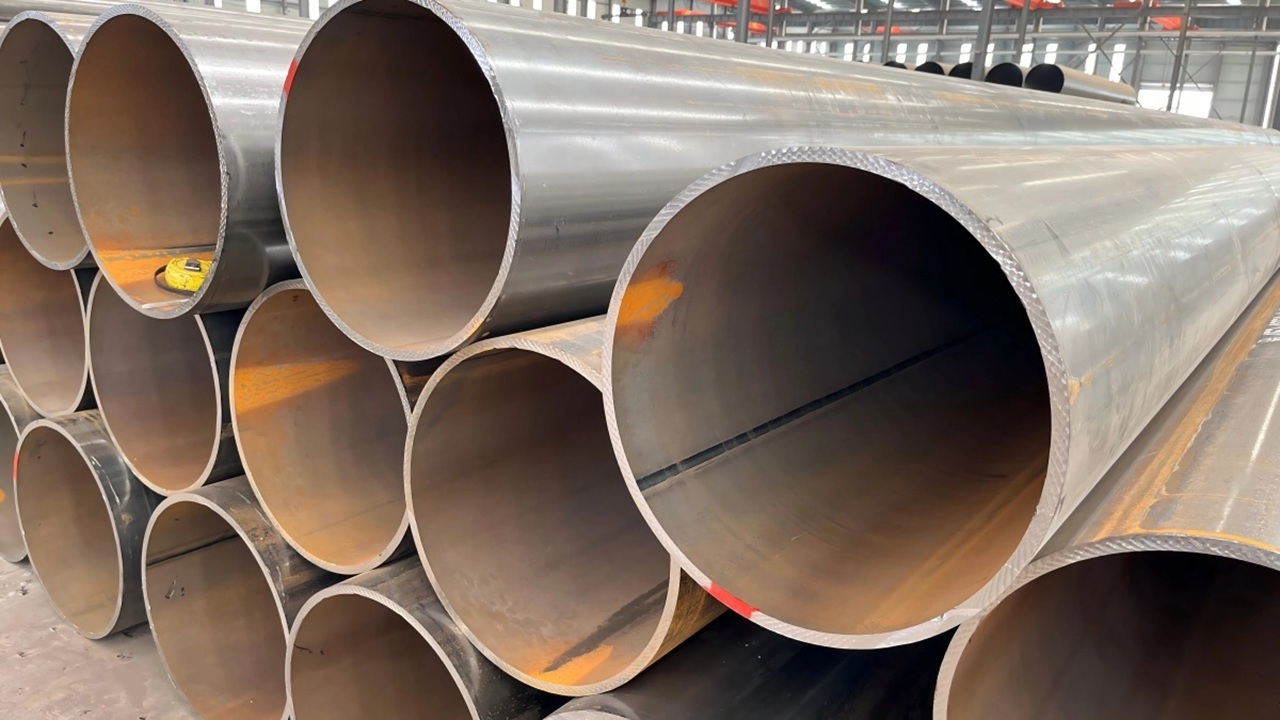
Schedule 40 pipe is one of the most common pipes used in industrial systems, as it provides a good balance of wall thickness for many services. The thickness of a label is not simply a matter of a standard label. It is influenced by pressure, fluid properties, pipe size, and how the system will be used over the long term. In practice, errors occur when it is assumed that all Schedule 40 pipes exhibit the same behavior across all sizes. A PandaPipe is used during procurement stages when checking that the correct size and specifications are required before ordering. This article tells How thick is schedule 40 pipe.
Understanding Schedule 40 variation
Schedule 40 is not a single wall thickness. It varies depending on pipe size. Small pipes have thin walls, whereas large pipes have thick walls. This is done because the strength remains constant as the diameter increases. Two pipes labeled Schedule 40 may appear alike, but their behavior in the system may differ. Before making the right choice, it is important to understand this variation.
Why does thickness change with size?
Larger pipes face more pressure, so their thickness increases to compensate. This helps maintain an acceptable level of stress. If this adjustment is not made, larger pipes would break down just as the smaller ones do. That is why thickness charts are always used in design, not just a single thickness.
Pressure as a deciding factor
One of the main factors in choosing pipe thickness is internal pressure. Higher pressure requires stronger resistance from the pipe wall. Schedule 40 pipes are ideal for medium-pressure systems, although not all systems operate at such pressures. Engineers often calculate expected pressure before confirming thickness. In many supply projects managed through PandaPipe, pressure data is reviewed early to avoid installation mismatches.
Fluid type matters
The type of fluid carried through the pipe also affects selection. Water, gas, and chemicals behave differently inside piping systems. Some fluids create more corrosion or wear over time. This can reduce effective thickness if not accounted for. Choosing the correct pipe involves considering both physical pressure and chemical exposure.
Temperature effects
Temperature affects pipe strength. High temperatures reduce resistance, while low temperatures may impact flexibility. Schedule 40 pipes perform better within specific temperature ranges. This is why systems exposed to heat or cold require additional checks before final selection.
Flow requirements
Pipe thickness also influences internal flow. A thicker wall reduces internal diameter, which slightly affects flow rate. While this change may seem small, it becomes important in large systems where flow efficiency matters. There may be instances where designers take into account requirements for strength and flow to prevent excessive constraints.
Corrosion Allowance
With use, there could be material loss of the pipe due to corrosion. This may happen more frequently in an industrial setting. Ignoring this when determining the thickness will reduce the pipeline’s lifespan. Suppliers like PandaPipe sometimes provide guidance on standard allowances based on material type and usage conditions.
Mechanical stress in systems
However, in addition to internal forces, pipes also face external factors, including vibration, weight, and installation stress. When considering long pipe systems, the effects may accumulate and become significant. Proper thickness selection will minimize such problems.
Installation conditions
How a pipe is installed also influences thickness selection. Buried pipelines, overhead systems, and indoor installations face different stress levels. A pipe used underground may require more resistance than one in a controlled environment. These conditions are often reviewed before confirming final specifications.
Connection points and fittings
Pipe ends, joints, and fittings are weak points in any system. If the thickness is not suitable, stress may concentrate in these areas. This may result in leakage or failure. Ensuring pipe thickness matches the appropriate fittings ensures system stability.
Standard verification
Schedule 40 pipes are standard in pipe size and wall thickness. They are standards that guarantee compatibility among various suppliers and systems. These standards are applied to the specification before final selection to ensure that any selected parts will fit and function properly. This is sometimes required in the procurement workflows where PandaPipe is used to verify correspondence between drawings and supply data.
Avoiding common selection errors
One mistake is choosing thickness based on the pipe’s cost or availability. This may cause pipes to be too small or too big. A second problem is copying old specifications without taking into account current system needs. Either can be problematic in the long haul. To select properly, one must consider actual operating conditions rather than repeat past selections.
Final comparison before purchase
It is crucial to compare all salient aspects before placing an order. Consider pressure, temperature, fluid type, and installation conditions together. This will ensure that the selected Schedule 40 thickness is appropriate for the entire system, not just for a single condition.
Conclusion
Choosing the proper Schedule 40 pipe wall thickness requires more than basic info; users must understand how size, pressure, environment, and system design influence pipe performance. Once all the above factors are evaluated, the chosen pipe wall thickness should be sufficient to ensure system stability.