Factors Affecting the Life of Stainless Steel Pipe in Coastal Regions?
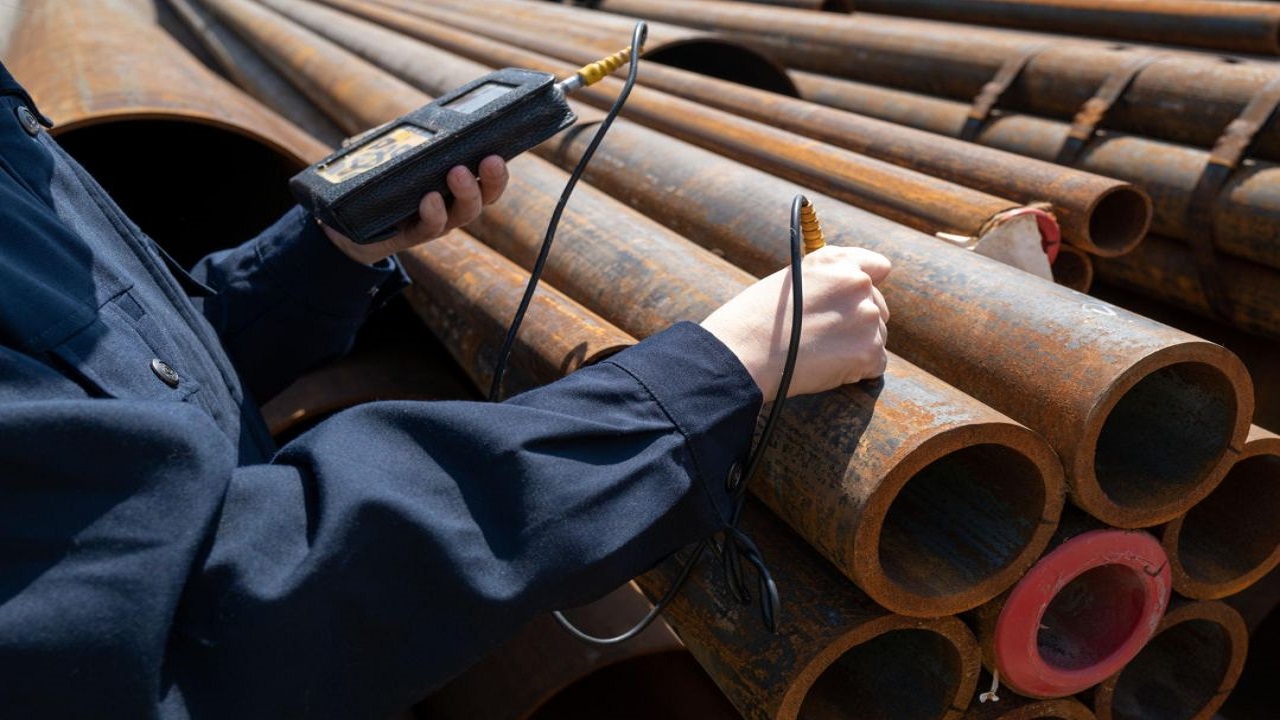
Coastal environments are one of the most difficult environments for an industrial piping system. The normal steel material is quite susceptible to salt spray, high moisture content, and chlorides. This is the reason why many engineers and project purchasers prefer stainless steel pipes, particularly a312 pipe, in their construction projects. However, not all grades of stainless steel are equal in the marine environment. Some factors influence the real service life, including the grade itself, environmental conditions, installation, and maintenance conditions. This article details the longevity of stainless steel pipe in marine environments and the process for choosing a pipe that is suited for longevity.
Why Coastal Regions Cause Corrosion?
High amounts of airborne salt particles and moisture can be found in coastal areas. One chloride ion (Cl-) from seawater is particularly corrosive to metal surfaces. With carbon steel material systems, corrosion can start in mere months. Even some grades of stainless steel are susceptible to pitting or surface rusting if the wrong material is used. As installation approaches the shoreland, the corrosion hazard. When it comes to material selection, it needs to be done carefully at industrial plants, desalination facilities, offshore platforms, and coastal water systems.
Life Span of TP304 Stainless Steel Pipe
The general corrosion resistance of TP304 is good, and it is widely used due to its cost-effectiveness. In non-coastal areas, it can survive for many years without any problems. In coastal regions, where salt is always present, the lifespan of 304 stainless steel can be as short as 5 to 15 years, after which corrosion is visible. The occurrence of staining and pitting is common in chloride-rich environments. Projects near the ocean are typically not suitable for the use of 304.
Life Span of TP316 & TP316L Stainless Steel Pipe
TP316 and TP316L both have molybdenum added to enhance resistance to chloride corrosion. This renders them far more compatible with marine and coastal settings. If a 316 stainless steel pipe is maintained properly, it can serve for 25-50 years in many types of coastal services. Life will be longer than 50 years in moderate environments. For this longer durability, many engineers feel that 316 or 316L is the better bet for long-term projects near the ocean.
Factors that Affect the Life Span of Pipes
Several factors can affect the life of a stainless steel pipe in a coastal application.
Distance from the Coast
Systems that are located several kilometers from a seawater source are exposed to much less chloride than those installed in direct contact with seawater. The further from the coast, the lower the salt concentration in the air, thus the lower the corrosion risk.
Surface Finish
Smooth surface finishes are more resistant to corrosion because contaminants do not tend to build up. Polished or passivated surfaces tend to be more effective in marine environments than rough or untreated surfaces.
Maintenance & Cleaning
Any salt deposits on the external surface of the pipe can be cleaned away by proper cleaning procedures. In the case where the stainless steel material being used is of a high quality, then proper maintenance is essential in corrosive environments. Accumulation of chloride salts could eventually cause damage to the oxide films.
Operating Temperature
Temperature is positively related to corrosion rate. For cases where there are hot liquids in the coastal system, higher-grade stainless steel may be used.
Why Material Selection Matters?
The fact is that many project failures are due to buyers selecting materials just based on the initial cost. To illustrate, for instance, the choice of TP304 can save on initial purchase costs, as compared to TP316. However, long-term costs can be much higher due to early corrosion, pipe replacements, shutdowns, and maintenance of pipes. The selection of materials can be the most cost-effective choice in coastal industrial systems. Keep in mind that when upgrading is necessary due to anticipated chloride exposure, choosing 316 or 316L is always wise.
How To Extend the Life of Stainless Steel Pipes in Coastal Areas?
Below are some methods used to prolong the life of stainless steel pipes in coastal areas:
- For the chloride-rich environment, use TP316 and TP316L.
- When installing, one should ensure that they are not contaminated by any carbon steel tools.
- Ensure that you do the right passivation after welding
- Keep cleaning the salt deposits to prevent accumulation.
- Choose the suitable wall thickness and surface finish.
- Carry out regular checks and maintenance.
Conclusion
If used properly, stainless steel pipe is very durable in coastal regions. TP316 and TP316L are typically used for marine and salt-exposed applications due to their better chloride resistance, while TP304 is suitable for mild applications. High-quality 316 stainless steel pipe can be used for many decades in many coastal projects, which is a cost-effective solution for long-term industrial performance.