How to Choose a Door Spring Hinge for Safe and Reliable Door Closing
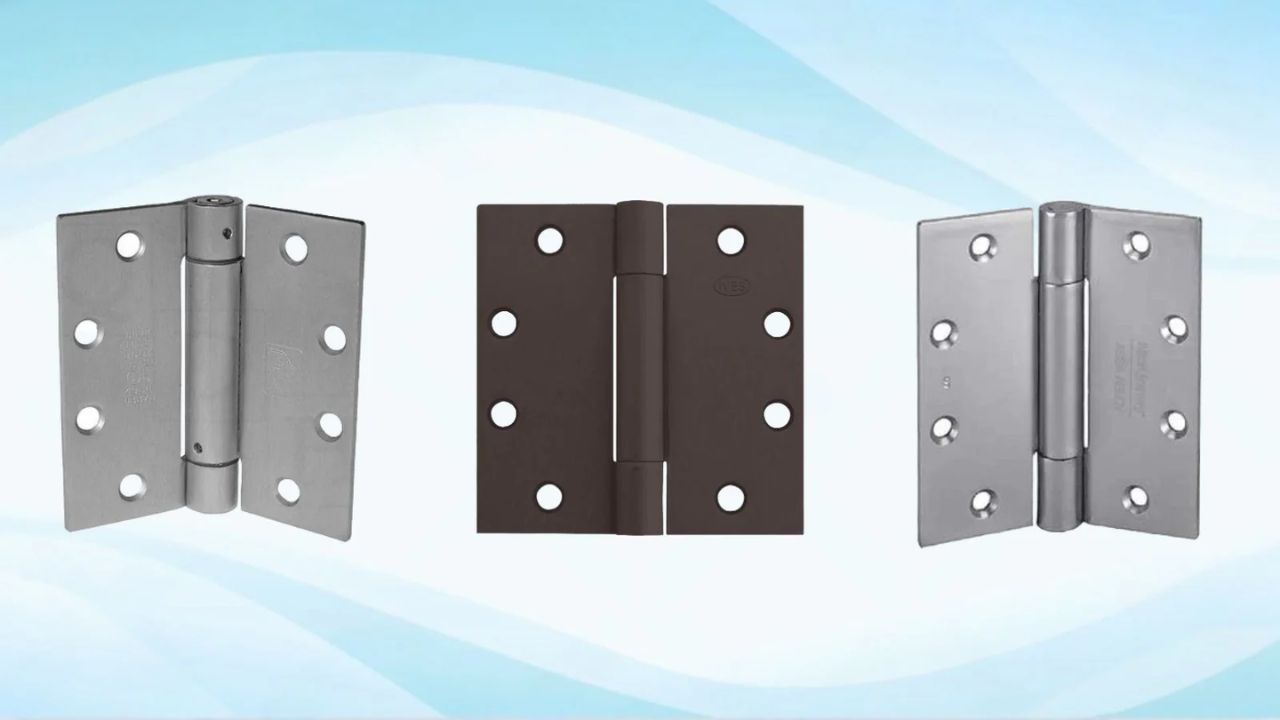
The purpose of a door spring is to automatically close doors in homes, offices, and stores so that they do not remain open. The objective of this door spring is for the door to not only close automatically but also not slam or be left partially open. Choosing the best door spring hinge depends on the door’s size and use. This article tells you how to choose a door spring hinge.
Understand How It Works
The spring hinge features a spring integrated into the hinge body. When the door swings open, the spring is energized. When released, it pushes the door back to the closed position. In many projects, products like AKADA are used in systems where controlled closing is important because they are designed to maintain steady spring pressure over repeated use. This basic working idea helps explain why correct selection matters for long-term use.
Check Door Weight First
The first step is always door weight. A smaller force can operate the light door more easily than the heavy one, which requires a stronger hinge for proper functioning. Using a stronger hinge than needed for a light door causes it to close quickly and impact. Many installers working with AKADA spring hinge lines often start with weight charts before making a choice, since weight is the main factor that controls spring strength needs.
Measure Door Size
The dimensions of the door also play a role in determining a hinge’s performance. A wider door offers greater resistance to movement, even when the weights are equal. Small doors may be fitted with smaller hinge systems, while large ones will require strong hinge systems or even spring hinges. Failure to consider this aspect will result in an unequal closing of the door, leaving the latch side open.
Think About Daily Use
Hinges’ performance will depend on the use that a particular door will have throughout its operational period. The hinge performance will be better in an office door than in a storeroom door, since there is more frequent opening and closing in an office setting. High-use doors require stronger, more stable spring action. Some builders prefer tested options such as AKADA because they are often selected for repeated-use doors that require consistent closing force over long cycles.
Choose the Right Tension
Tension is the force inside the spring hinge. It controls how fast the door closes. Less tension would be ideal for light doors, though it might not shut heavy doors completely. For heavy doors, tension should be high, as the door will neither shut nor lock. The right tension depends on the door’s weight, and the most suitable is the minimum tension that makes the door shut. Adjusting should be done slowly because even small differences will affect the door’s performance significantly.
Select Proper Material
The material selection influences the longevity of the hinge. The most common material for interior doors is steel. In case of humid conditions or exterior use, stainless steel works best. In commercial installations where corrosion resistance is essential, hardware such as AKADA is a good choice, as durability takes precedence over aesthetics. Choosing the right material will reduce friction and ensure stability.
Check Door Frame Condition
An excellent hinge will fail if the door frame is poorly positioned. The door has to close flat; poor door frame alignment can cause rubbing or failure to close properly. Proper fitting ensures smooth movement from the start.
Focus on Safe Closing Speed
Safety is an important part of spring hinge selection. The door must close smoothly without hitting anything or rebounding. Closing too fast could cause injuries or damage. Some hardware systems, including AKADA spring hinge setups, are often chosen in environments where steady closing speed is required for safe daily use.
Installation Check
Choosing the right hinge is as important as installing it. It should sit flush with the door and frame, with even spacing and tight screws. Many installers test movement several times before final tightening. Products like AKADA are often tested this way in real setups to confirm that the closing action remains smooth after adjustment.
Final Selection Steps
Before the final choice, all key points should be checked together: weight, size, tension, material, and daily use. A balanced decision ensures the door closes fully without force or delay. It also reduces maintenance in the long run.
Conclusion
Selecting a door spring hinge may sound easy on paper, but there are certain things to consider. That is because the hinge must match the door properly in terms of its weight, size, and use. This ensures proper tension and installation so that the door can always function properly.